What to Expect From an Emergency Tree Service After a Storm
When severe weather hits, trees can become a serious hazard. High winds, heavy rain, and lightning can leave branches hanging dangerously or cause whole trees to fall onto homes, vehicles, and driveways. The situation often demands immediate attention from a professional team. Understanding what an emergency tree service does and when to call one can help you act quickly and safely.
Emergency tree service is not the same as routine tree care. It focuses on urgent situations where a tree or large limb poses an immediate risk to people, property, or access. These calls happen at any hour, and the response time matters. Companies that offer this service keep crews on standby for exactly these moments. The work is often more complex than standard tree removal because the tree may be under tension, leaning against a structure, or tangled in power lines.
When to Call for Emergency Tree Service
Not every fallen tree requires an emergency call. A tree that comes down in an open field with no damage to structures can often wait for regular business hours. But you should call for emergency help when a tree or large limb threatens your home, has blocked a driveway or road, or is leaning dangerously over a structure. If power lines are involved, stay far away and let the utility company handle the lines first. The tree crew can remove the tree once the utility has secured the power lines.
Another situation that warrants an emergency call is a split trunk or a major crack in the main stem. These trees can fail without warning, especially in continued wind. A professional assessment can determine if the tree can be stabilized or if removal is the only safe option. Waiting too long can turn a manageable problem into a costly one.
What Happens During an Emergency Tree Service Visit
When the crew arrives, they first assess the scene from a safe distance. They look at the tree's position, the condition of the roots and trunk, and any obstacles nearby. They check for power lines, gas meters, and other utilities. Safety is the top priority for everyone on site. Only after this assessment do they discuss a plan with you.
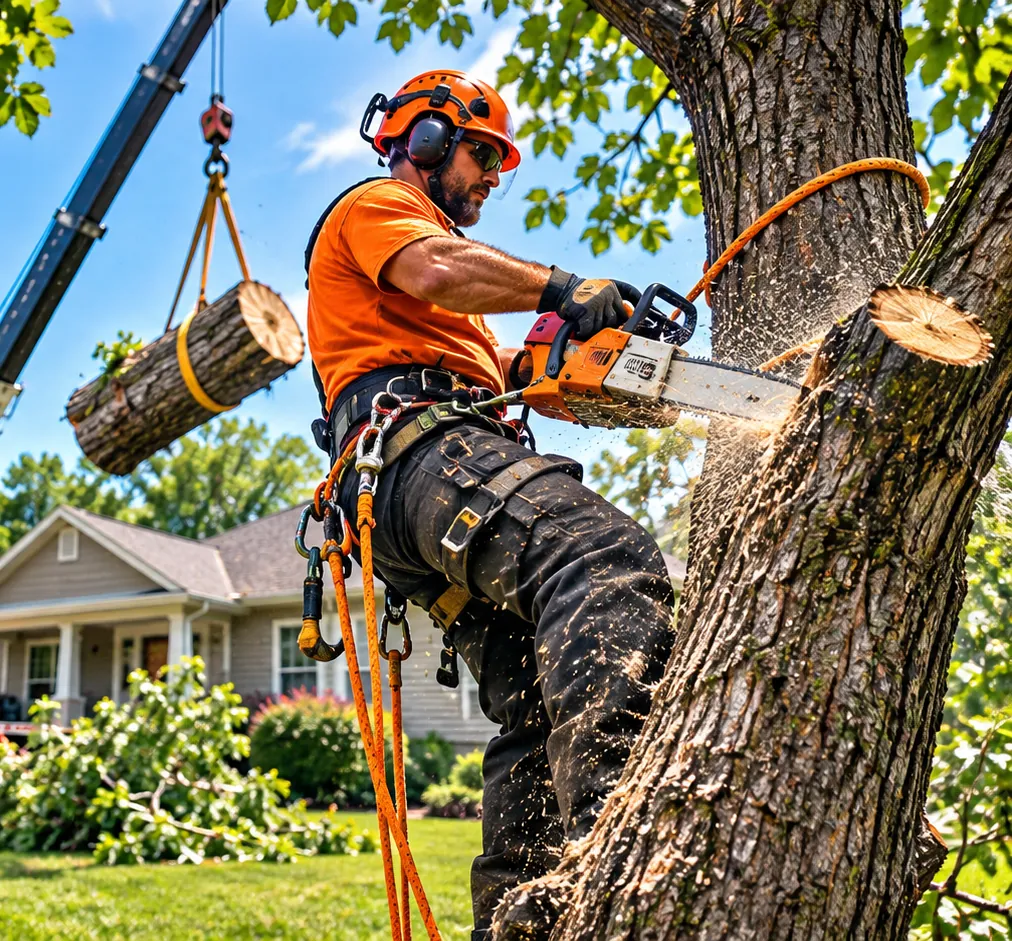
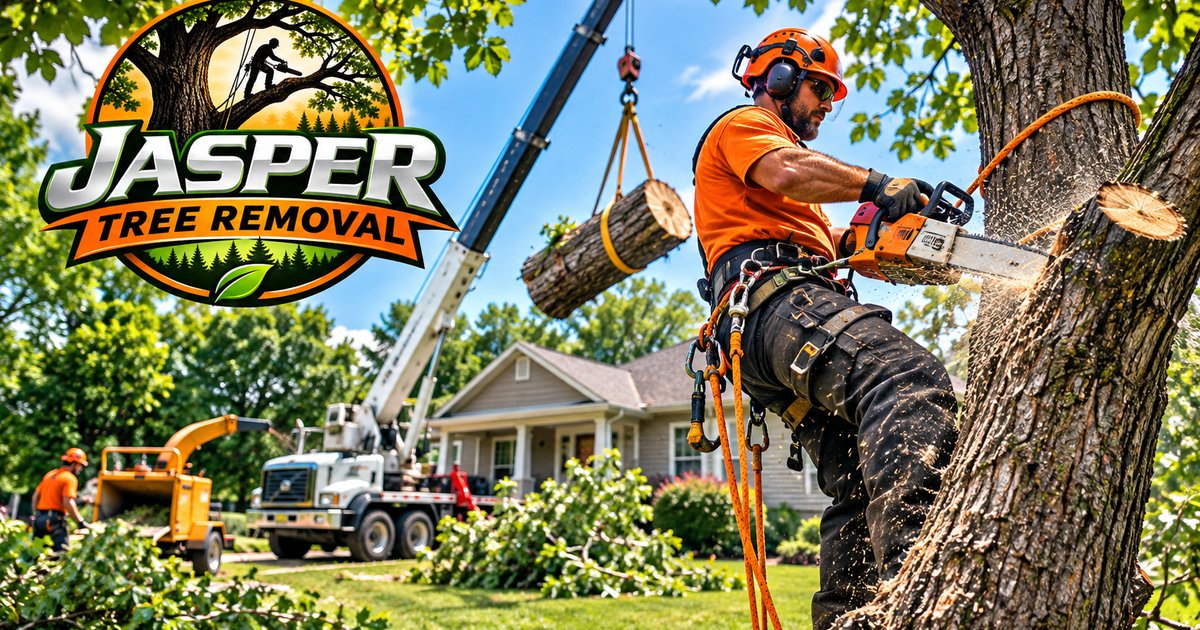
The actual removal process depends on the tree's situation. A tree that has fallen across a driveway might be cut into sections with a chainsaw and removed piece by piece. A tree leaning against a house requires careful rigging to control each section as it is cut. Climbers may need to go up into the tree to tie ropes and guide the fall of heavy limbs. Stump grinding, if needed, usually happens later as a separate step.
Cleaning up is part of the service. The crew will remove the large debris from your yard and often haul it away. Small branches and sawdust may be left behind, so ask what is included in the cleanup. Some companies leave firewood if you want it, but not all do. It helps to clarify expectations when you first call.
Choosing a Reliable Provider
Not every tree removal company offers true 24/7 emergency service. Some take calls only during business hours and leave a voicemail for after-hours emergencies. Others have a dedicated phone line that rings directly to the crew on duty. When you are facing a tree through your roof, those minutes matter. Look for a company that clearly states it provides around-the-clock emergency response.
Insurance and licensing are another key factor. A reputable company carries liability insurance and workers' compensation. This protects you if something goes wrong or if a worker gets injured on your property. Ask for proof before they start any work. A professional company will provide it without hesitation.
Local knowledge also counts. A company familiar with the area knows the common tree species, soil conditions, and weather patterns. They know which trees tend to fail in storms and what signs to watch for. Jasper Tree Removal, for example, serves Jasper and Pickens County, Georgia, and understands the local landscape. That kind of familiarity helps with quick, effective response in an emergency.
Preparing for a Potential Emergency
You can reduce your risk before a storm hits. Have a tree service inspect your property once a year. They can spot dead limbs, cracked branches, or trees with weak root systems. Removing these hazards ahead of time prevents most emergency situations. Keep trees near your house properly pruned and thinned so wind can pass through the canopy rather than pushing the tree over.
Know your property's layout. Identify which trees are closest to your house, driveway, and power lines. After a storm, you will know quickly if something is wrong. Also, save the phone number of a reliable tree service in your phone before you need it. Searching for one in the middle of a storm adds unnecessary stress.
If you have a generator, make sure it is ready to run. After a tree comes down, power may go out for hours or days. A generator keeps your refrigerator running and your phone charged so you can stay in touch with the tree service crew. If you do not have a generator, keep a power bank for your phone and a flashlight with fresh batteries handy.
What Emergency Tree Service Costs
Costs vary widely based on the tree's size, location, and the complexity of the removal. A simple fallen limb in an open yard costs far less than a large tree leaning on a roof. Emergency work typically carries a premium because of the after-hours response and the higher risk involved. You can ask for an estimate over the phone, but an exact price usually requires a site visit. Most companies will give a rough range based on your description and then confirm once they see the situation.
Insurance often covers tree removal if the tree damages a structure. Check your homeowner's policy before a storm hits so you know what is included. Some policies cover removal of the tree from the structure but not stump grinding or cleanup. Others have limits on how much they will pay for tree removal. Knowing these details ahead of time avoids surprises.
If the tree falls without damaging any structure, insurance usually does not cover removal. In that case, you pay out of pocket. The cost is still worth it to prevent the tree from causing damage later or blocking access to your property.
Keep in mind that the cheapest quote is not always the best. A low price may mean the company carries minimal insurance or uses less experienced crews. Emergency tree work is dangerous. Paying for a properly insured, experienced crew is an investment in your safety.
After the Emergency: Next Steps
Once the immediate danger is gone, you have time to think about the rest of the property. The stump may need grinding if it is in a spot where you plan to plant grass or a new tree. You might want the area graded if the tree's roots pulled up a large section of soil. These are not emergency tasks and can be scheduled during regular hours.
Also consider planting a replacement tree in a safer location. Choose a species with strong wood and a growth habit that matches the space. Native trees often do better because they are adapted to the local climate and soil. A professional arborist can recommend the right tree for your yard.
Emergency tree service is one of those things you hope you never need, but when you do, it makes a real difference. Knowing what to expect and who to call can turn a stressful situation into a manageable one. For residents of Jasper and Pickens County, Jasper Tree Removal offers the kind of quick, professional response that helps restore safety and peace of mind after a storm.
Jasper Tree Removal on social media
 Twitter
 Instagram
 YouTube